Multicultural Wedding Catering: Designing a Wedding Menu That Celebrates Both Families
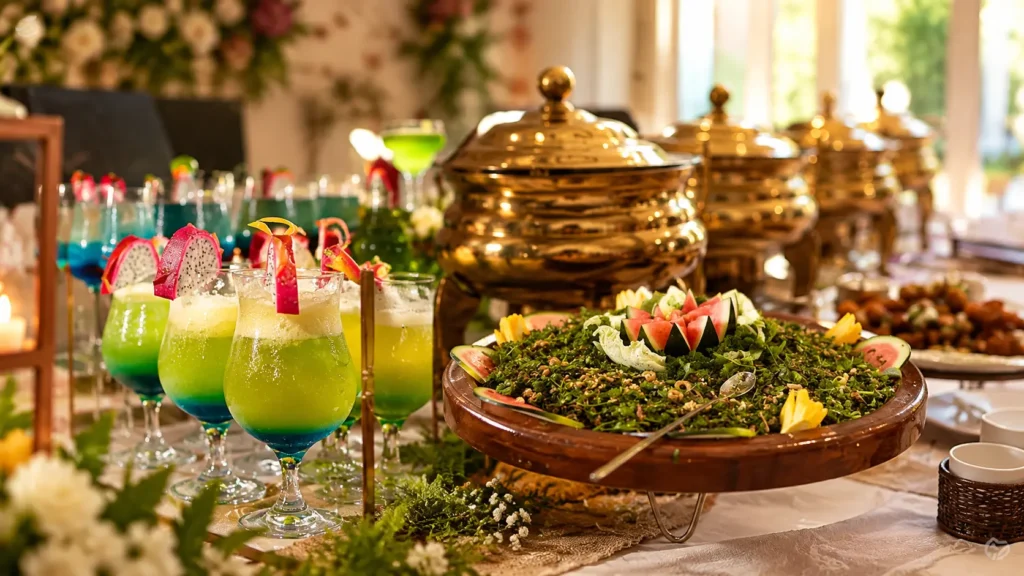
Planning a multicultural wedding means handling two family groups at once. Each group has its own food habits, diet rules, and ideas about what the celebration should feel like. Most people will remember the meal more than anything else, because that is where the two cultures meet.
If you plan the wedding menu well, it can show both cultures in a fair way. Guests should feel at ease, and they should be able to eat and enjoy the day, no matter which side their roots come from. To do that, you need to pay attention to how the food is served, how the flavors are mixed, and how the dishes look when they reach the table.
Use this guide as your first step for building a multicultural wedding menu. It is meant to honor both families and still keep every guest happy.
Planning a multicultural wedding and need expert guidance on the menu? [Request a free menu consultation with our catering team →]
Why Food Matters Most at a Multicultural Wedding
At most weddings, guests forget the centrepieces and remember the food. But at a multicultural wedding, the importance of food is amplified. Each dish has a story, and serving a family’s favorite dish makes them feel right at home. Leaving it off – and even by accident – can have the opposite effect. A multicultural wedding menu, therefore, is less about representing two flavors and more about respect and balance. It‘s all about creating a positive impression on both communities.
Did you know? That in many traditions, the wedding feast represents the generosity of the families and that the menu reflects the standing of the family in the community? Getting it right matters to your guests as well as your family’s reputation. Before Dishes, Ask These Three Questions: Before looking at any menu or dish, have discussions with both families. Ask them these three simple questions:
What dishes are a must for you?
- Do you have any religious or dietary restrictions or requirements?
- What food do you remember from your loved ones‘ weddings?
The answers to these questions will be the basis of your wedding menu. After that, you‘ll find out much earlier which of your guests has a must-have dish that turns out to be a favorite from both families.
Three Ways to Create a Fusion Wedding Menu
There‘s more than one way to satisfy the appetites of two families, and most couples find that a combination of the following works best,
Three Ways to Build a Fusion Wedding Menu
There is no single right approach. Most couples choose one of these three.
1. The Side-by-Side Menu
Each culture‘s dishes are served separately, using their own station or course.
Best for: When you don’t want to sacrifice tradition for the other
2. The Blended Menu
Dishes feature flavors from both cultures, like a spiced starter with a Western salad or a fusion dessert.
Best for: Couples who value creativity and a sense of adventure in their guests
3. The Story-Based Menu
Each course represents a chapter of the couple’s journey, incorporating their respective dishes throughout.
Best for: When you want the food to be a personal and meaningful experience for all
Balancing Flavours and Spice Levels
Flavor clashes in a fusion wedding are the biggest pain in the neck of all, with a subtly spiced dish next to a fiery one that makes both bland.
A few rules keep the meal harmonious:
- Pair intensities with milder dishes. Serve a rich, spiced main with a light, fresh side.
- Use dessert as a bridge. Sweets from both cultures are rarely off-putting and often become the conversation piece of the day.
- Label spice levels. A little card next to each dish saves you from nasty surprises.
- Offer cooling options. Yoghurt sides, fresh salads, and chilled drinks provide an antidote between courses.
Dietary and Religious Considerations
A multicultural guest list usually means multiple dietary needs. Plan for them early:
- Vegetarian and vegan guests
- Halal, kosher, or no-beef and no-pork requirements
- Jain or other restricted diets
- Common allergies such as nuts, dairy, and gluten
Serving vegetarian and non-vegetarian dishes from separate stations, with separate utensils, is not only respectful but an easy win to impress everyone at the table.
Did you know? That a well-prepared buffet with clear labels often works better than a plated meal at a large multicultural wedding, as guests can choose what best suits them.
Wedding Menu Checklist for Multicultural Weddings
Use this list to be able to tick off tasks as you go:
- Discuss signature dishes with both families
- Confirm all dietary and religious restrictions
- Choose a serving style (buffet, live stations, or plated)
- Balance spice levels across the meal
- Include at least one shared or fusion dish
- Plan a dessert table with sweets from both cultures
- Label every dish clearly
- Schedule a tasting before finalising
- Confirm quantities with your caterer based on the final guest count
Fusion Wedding Menu Ideas to Inspire You
Here are a few pairings that work well together, which you can adapt to your own cultures:
- Starters: Mini regional snacks served alongside canapés from the other culture
- Mains: Two signature curries or roasts, with shared rice, breads, and salads
- Live stations: A dosa counter next to a pasta or grill station offers true choice
- Desserts: Traditional sweets plated with a wedding cake, or a fusion twist like cardamom-infused cake
- Beverages: A signature welcome drink that blends flavors from both families
The best fusion ideas feel natural and not forced. If a combination makes you smile in the tasting room, it will work on the day.
How to Choose the Right Caterer
Experience with multicultural wedding catering is what makes the difference between an average meal and an unforgettable one. When comparing caterers, ask:
- Have you handled weddings with more than one cuisine?
- Can you offer authentic dishes from both cultures, not approximations?
- Do you offer tastings?
- How do you manage dietary needs and separate food preparation?
- Can you scale the menu smoothly for a large guest count?
A good caterer listens before suggesting. If they push a fixed package without asking about your families, keep looking.
Ready to build a wedding menu that speaks for both families? [Contact us today to request a custom quote →]
Conclusion
A good wedding menu can help more than the speeches do. It can bring two families together at the same table. It starts with a clear talk about what you all want. Then you choose a food style that fits you. Finally, you work with a caterer who can share each culture with care and fairness. When you do this, the meal is not only about timing or service. It becomes part of the celebration.
- Pick a fusion plan that fits your guests.
- Make sure the tastes blend well.
- Also, take dietary limits seriously.
- Try each dish yourself before you lock it in.
- This wedding menu is the first meal you serve together as one family, so choose with care.
This wedding menu is the first meal you serve together as one family, so choose with care.
Frequently Asked Question
What is a multicultural wedding menu?
A multicultural wedding menu brings together dishes from two or more cultural traditions in a single meal. It can take the form of separate authentic stations, blended fusion dishes, or a mix of both.
How do I create a wedding menu that pleases both families?
Ask each family for their must-have dishes, then choose a serving style that gives both equal space. Include a shared dessert or fusion dish to bring the meal together, and hold a tasting before you finalise.
Is a buffet or plated meal better for multicultural wedding catering?
Buffets and live stations are usually better as guests can choose from both cuisines and manage their own dietary needs. Plated meals suit smaller, more formal weddings.
How many dishes should a fusion wedding menu include?
Most weddings cater well with 2 to 3 starters, 3 to 5 mains, 2 to 3 sides, and a dessert selection. Large guest lists can supplement with live stations for variety.
How do I handle dietary restrictions in multicultural wedding catering?
Collect dietary needs with your RSVPs. Ask your caterer to prepare vegetarian, halal, allergen-free, or other special dishes separately and label items clearly.